

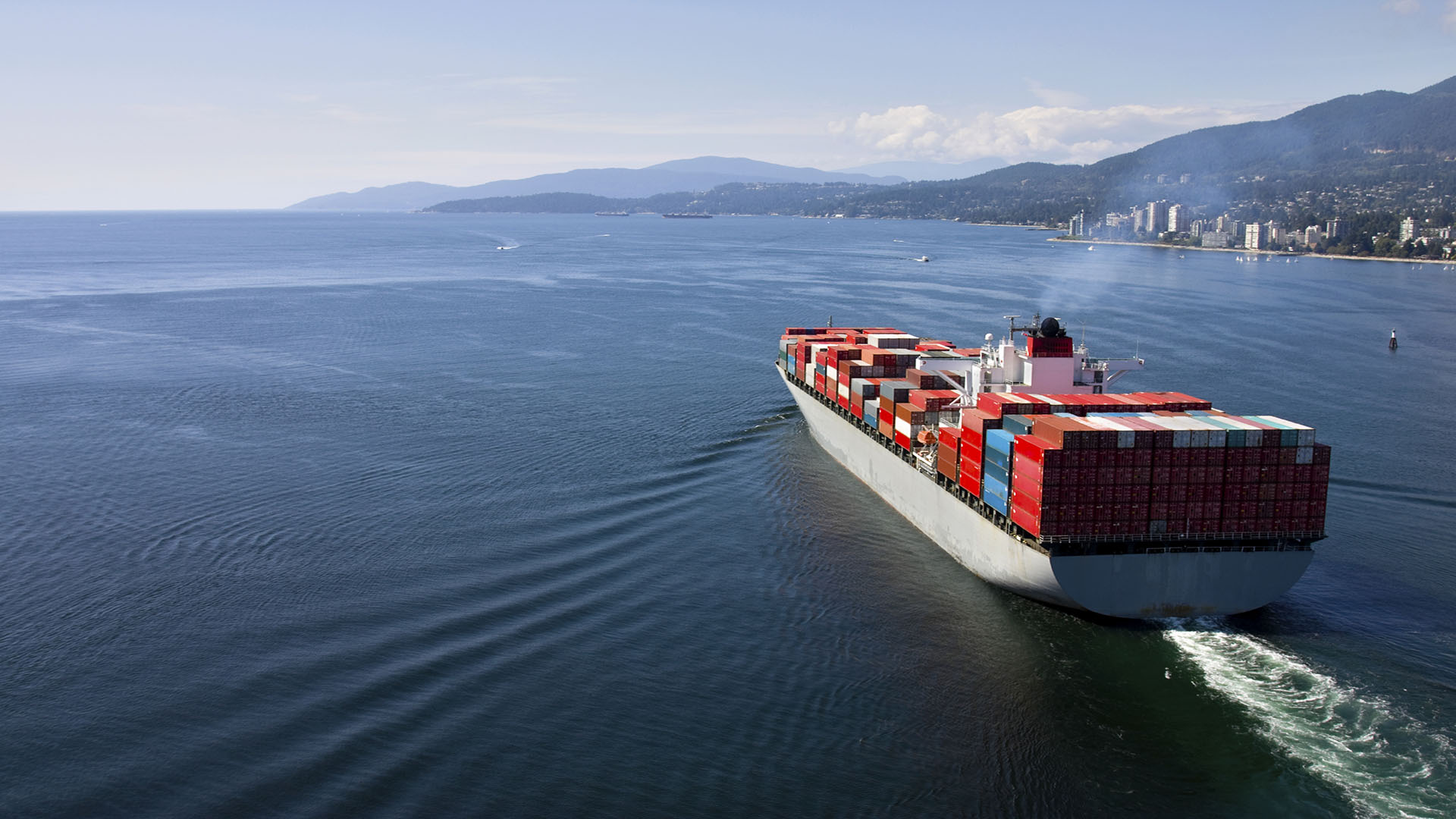
MSS Case February: Case Study – Dragging anchor led to collision
Two bulk carriers were at anchor awaiting berthing instructions, with vessel A positioned approximately 0.6 to 0.7 nautical miles north-north-east of vessel B. Initially, weather conditions on the day were moderate, with wind speeds between Beaufort force 3 to force 5 overnight. However, conditions deteriorated significantly during the afternoon, with wind speeds intensifying to Force 8 to Force 9 from a northerly direction.
At around 16:30, the Officer of the Watch (OOW) onboard vessel A noted that the vessel started to slowly drag anchor. This initial dragging reduced the distance between the two vessels to approximately 0.54 nautical miles, prompting the Master of vessel A to place the main engine on 5 minutes’ notice. No additional preventive measures were implemented. Approximately one hour later, at 17:34, vessel A started to drag, quickly accelerating to a dragging speed of 1.0 knots and subsequently 2.0 knots towards vessel B. The crew attempted emergency measures, including
preparing the main engine and heaving the anchor. However, delays in bringing the main engine into operation and ill-considered manoeuvring worsened the situation. Ultimately, at 17:53, vessel A collided with vessel B, making contact on her port side amidships area.
Vessel B remained stationary and securely anchored throughout the event, having taken suitable precautions for the prevailing conditions. No proactive manoeuvres were made by the southern vessel, likely due to the limited time available to respond once the situation became apparent.
The collision resulted in significant damage, including breaches to ballast tanks on Vessel A and damage to the bow and starboard anchor of vessel B. Fortunately, there were no injuries or pollution incidents reported.
Heave up the anchor and leave the anchorage if these environmental loads are exceeded:
Sheltered waters:
- Current velocity: max. 2.5m/s
- Wind velocity: max. 25m/s.
- No waves (sheltered waters)
Outside sheltered waters:
- Current velocity: max 1.5 m/sec
- Wind velocity: max 11 m/sec
- Significant wave height max 2 m
Questions
When discussing this case please consider that
the actions taken at the time made sense for all
involved. Do not only judge but also ask why you
think these actions were taken and could this
happen on your vessel?
Does our SMS address these risks?
- What immediate actions should be taken if anchor
dragging is suspected? - How can anchor watch practices be improved to
prevent similar incidents? - Why is proactive weather monitoring critical when
at anchor? - What are the procedures for preparing and testing
the main engine readiness at anchor? - How can effective communication with nearby
vessels improve safety at anchorages? - What specific signals or alerts should be made if a
vessel begins dragging anchor? - Under what circumstances should a secondary anchor be deployed?
- What role can tug assistance play in preventing
collisions in anchorage areas?
- How frequently should weather forecasts and
anchorage conditions be reviewed? - Are our anchoring procedures sufficient to deal
with problems like this? - What are the environmental parameters for
leaving the anchorage? - Do we have Risk Assessment procedures onboard
that address these risks? - What is the maximum depth that our anchoring
equipment is designed to anchor at? - What specific techniques could help the bridge
team maintain situational awareness, especially
under high stress, strong currents, and nighttime
transit conditions? - What additional contingency plans or drills might
strengthen a crew’s ability to react to a situation
like this? - Which everyday practices onboard can we reinforce
to handle abnormal conditions more safely? - How can lessons from this event be transferred to
other high-risk areas - What immediate, actionable steps can we take
from today’s discussion?
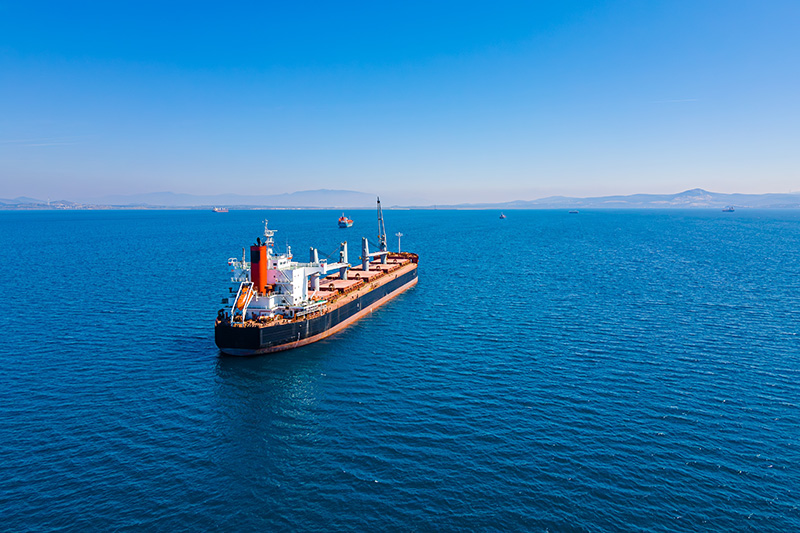
MSS Case February: Case Study – Dragging anchor led to collision
Two bulk carriers collided after vessel A dragged anchor in worsening weather conditions. Delayed engine response and ineffective maneuvering led to significant damage, though no injuries or pollution occurred.
For more Loss Prevention information, please contact:
Joakim Enström, Loss Prevention Officer
E-mail: joakim.enstrom@swedishclub.com
Each month, the Club’s Loss Prevention team issues a new safety scenario to assist members in their efforts to comply with international safety regulations and follow best practices.