A cargo of bagged white garlic was shipped from China to Central America. On arrival, it was noted that significant portions of the consignment showed signs of germination.
Storage of garlic
After curing (a process of drying after harvest), garlic can be stored at high temperatures (+25 °C) or low temperatures (-3 °C to 0 °C) to prevent germination of the bulbs and maintain the storage life of the product. Temperatures above 5 °C and below 20 °C are not appropriate for garlic storage and can cause dormancy break, advanced germination, and fungal/bacterial issues. It is common to see garlic transported in containers at low temperature (i.e. -3 °C to 0 °C). At these lower temperatures, the heat generated by respiration of the garlic bulbs is removed, helping to maintain a period of dormancy.
Temperature records
The temperature records indicated that it took several days for the temperature to reach +4 °C. Furthermore, the situation was exacerbated by the cargo being ‘hot-loaded’, meaning that the cargo was not pre-chilled before loading. The effect of these two factors was to prevent the cargo from meeting the required temperature range and thus, led to a significant portion of the cargo arriving with unacceptable levels of germination. The crew should take care when checking that set point temperatures, as outlined in the carriage instructions, are properly applied to the containers. A failure to do so can lead to the onset of germination and/or spoilage of cargo through bacterial or fungal infections.
What can we learn?
- The crew should check that the container set temperature complies with the shipper’s specified carriage instructions.
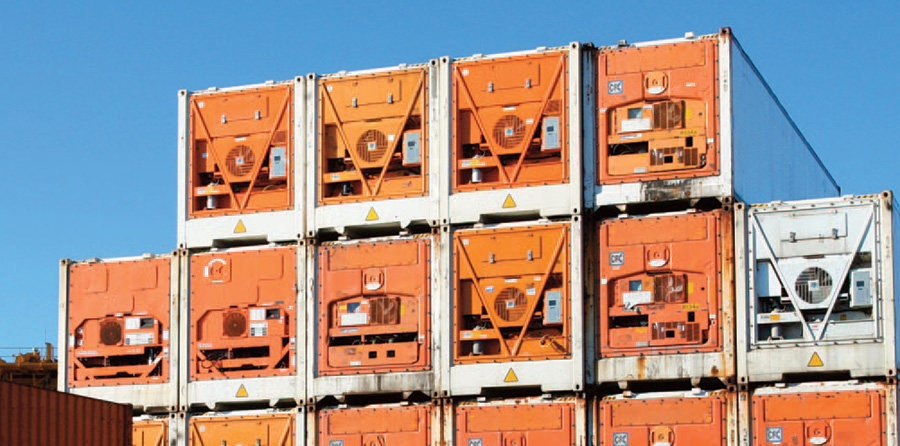
- It is important to note that the reefer container is designed to maintain the cargo’s temperature rather than cool it. Ideally, all cargoes should be loaded at the intended carriage temperature to ensure product quality is maintained.
- The crew should keep clear and accurate records. Document each stage of the voyage from loading through to discharge as well as obtaining date-stamped photographs of incidents which occur during the voyage.
Downloads