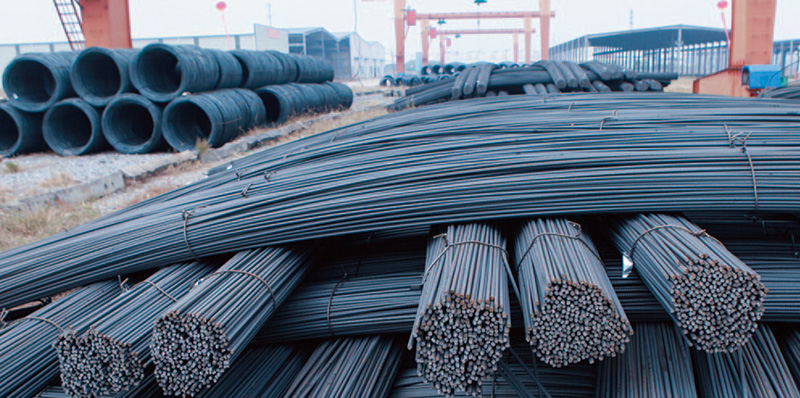
The vessel was loading a cargo of steel. During loading intermittent rain occurred, at which point loading stopped, and the cargo hatch covers were closed. However, this was a timeconsuming process as the cargo hatches could only be closed one-by-one which meant the top cargo became wet. The stevedores covered the cargo with tarpaulins to protect it from the rain. A couple of hours later heavy weather hit the port and damaged the tarpaulin, which caused more water to enter the cargo hold. The crew covered the cargo with some plastic; however, 150 steel bundles were water damaged.
Interrupted loading
After the heavy weather had passed loading resumed, however more rain showers occurred, and the cargo hatch covers had to be closed three more times before loading was complete. During the voyage the crew ventilated the cargo holds as per their procedures. In the discharge port the consignee claimed for rust damage to the cargo.
What can we learn?
- If any wet damaged cargo can be observed during loading, the Master should write a letter of protest and clause the bills of lading and cargo manifest.
- It is essential that the crew monitor the weather via weather reports and radar, so that the cargo hatch covers can be closed before the rain starts.
- Before loading commences, the Chief Officer should discuss the vessel’s cargo securing manual with the stevedores and identify what is required for the specific cargo being loaded.
- A good preventive measure is to have a preloading meeting with the crew and stevedores before loading starts.
- If the temperature in the loading port is colder than the climate through which the vessel will sail, then no ventilation should be carried out. Cargo sweat will occur if the temperature of the steel is lower than the dewpoint of the atmosphere in the hold.
- If the steel is loaded in a warm climate, the holds should be ventilated to avoid the internal hold structures cooling to below the dewpoint of the atmosphere within the hold. This would cause ship’s sweat to develop and drip on to the steel.
- When cargo is already present at the wharf key, observation must include all evidence of rusted steel with silver nitrate tests to verify any exposure to sea water/spray, any damage to products stacked at the wharf including bent bars, loss of strapping/unwinding of steel coils, extent of telescoping in the coil centre, loose outer laps on the coils, damage to coil edges and comments on the effectiveness of any covering for protecting the cargo at the wharf.
- The dunnage utilised must be suitably dried to avoid transfer of moisture to the product and to the hold’s atmosphere. The dunnage must also be phytosanitary-certified and approved to ensure the wood is pest-free. Without this certification, the vessel may be banned from offloading cargo in some territories. Hardwood dunnage is preferred to avoid crushing during the voyage and consequential cargo damage.
- Ensure bills of lading are claused, relating to defects/abnormalities observed during the pre-loading and loading operations e.g. evidence of damaged straps, unwinding or telescoping, damage to packaging.
Downloads