Case studies
Below you will find case studies on topical issues which can be used for training and discussion purposes. As part of its commitment to improving safety at sea, The Swedish Club widely shares its claims experiences to help the shipping community to understand the factors that can lead to incidents and to learn from the decisions that were made at the time.
Cases by topic
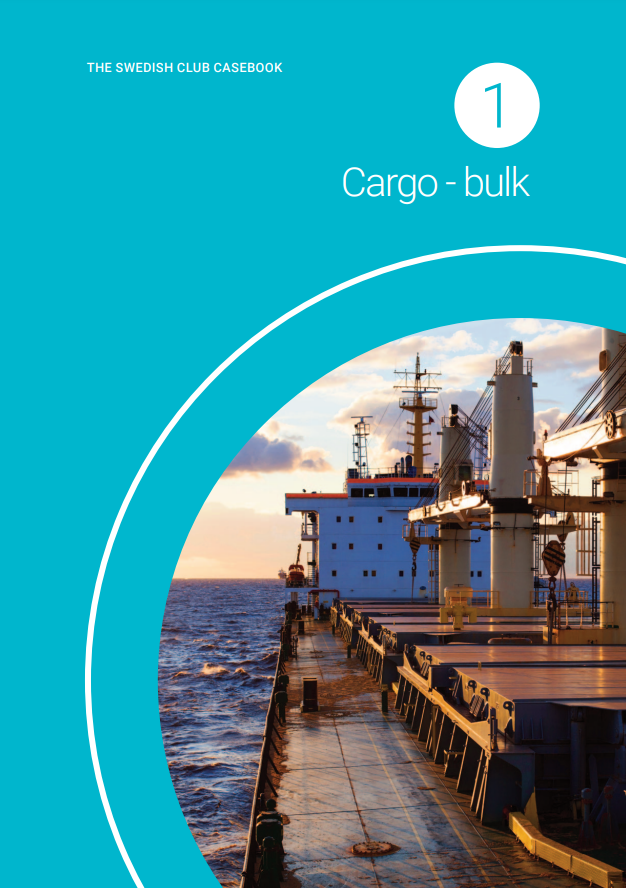
1. Cargo – bulk
1. Cargo – bulk
- 1.1 Charcoal: Incorrect declaration caused charcoal fire
- 1.2 Coal: Severely burned in an onboard explosion
- 1.3 Coal: Indonesian coal self-ignited during discharge
- 1.4 Grains: Wet damage caused cargo loss
- 1.5 Grains: Incorrectly applied fumigation pellets caused explosion
- 1.6 Grains: Ship’s sweat caused cargo damage
- 1.7 Grains: Infested cargo
- 1.8 Soya beans: Discolouration
- 1.9 Soya beans: Poor condition when loading
- 1.10 Soya beans: Ship’s sweat caused cargo damage
- 1.11 Soya beans: Self-ignited after several months at anchor
- 1.12 Steel: Cargo damaged by rain during loading
- 1.13 Steel: Cargo rejected
- 1.14 Steel: Concrete steel pipes damaged due to poor loading and unloading procedures
- 1.15 Urea: Caking of urea at the discharge port
- 1.16 Urea: Contamination
- 1.17 Explosion caused by fumigation
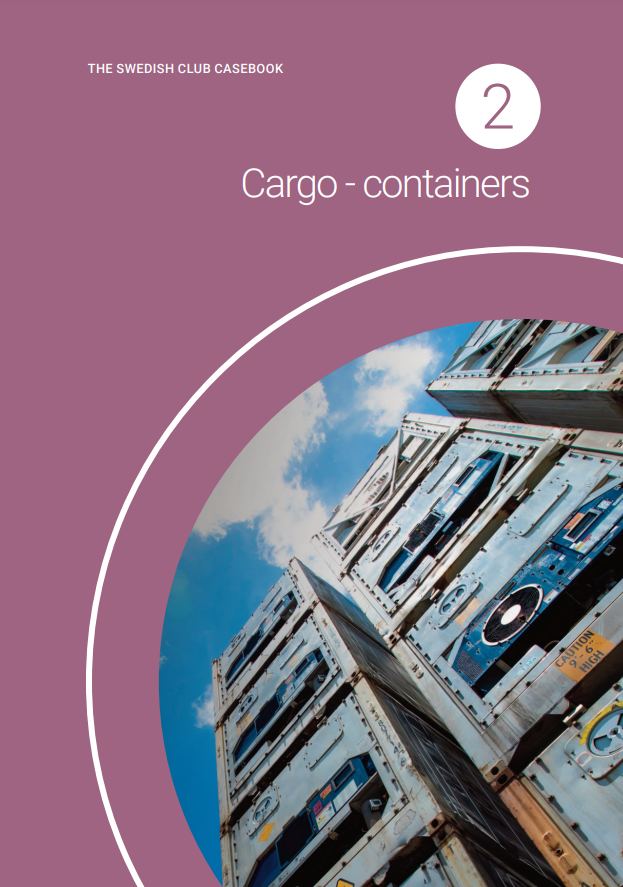
2. Cargo – containers
2. Cargo – containers
- 2.1 Reefer container: Damage to seafood
- 2.2 Reefer container: Damage to fresh produce
- 2.3 Reefer container: Meat damaged due to wrong temperature settings
- 2.4 Reefer container: Damage to various food products
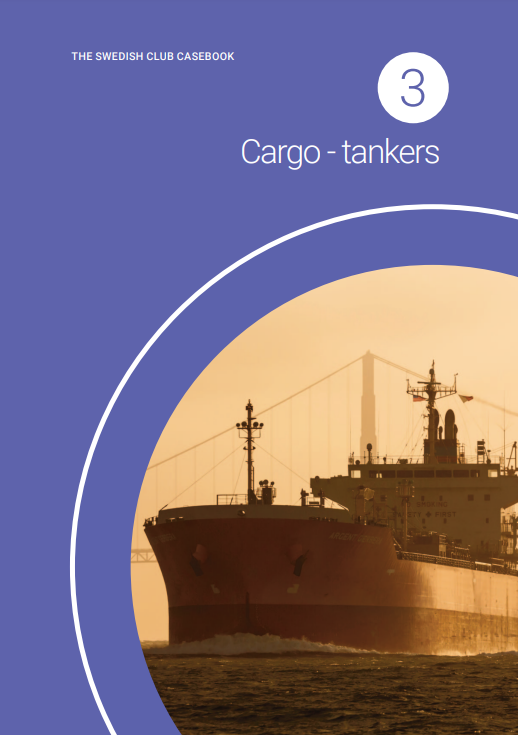
3. Cargo- tankers
3. Cargo- tankers
- 3.1 Hazardous chemical: Cargo contaminated cargo by tank coating
- 3.2 Petro: Naphtha was off spec
- 3.3 Vegetable oil: Crude palm oil was contaminated with palm kernel oil
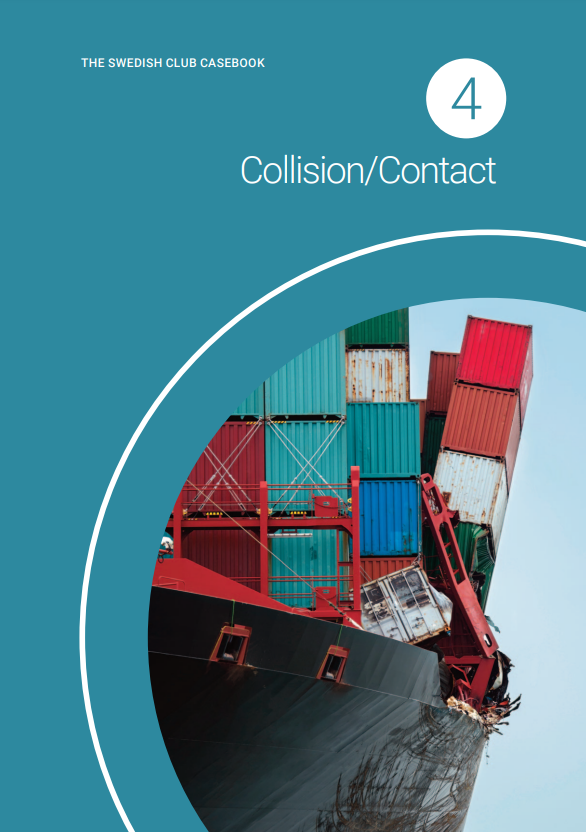
4. Collision/Contact
4. Collision/Contact
- 4.1 Collision as the vessel was overtaken
- 4.2 Collision in restricted visibility when approaching a port
- 4.3 Collision in river
- 4.4 Collision in busy anchorage after grounding
- 4.5 Collision due to miscommunication when approaching a port
- 4.6 Collision in restricted visibility
- 4.7 Contact while berthing in river
- 4.8 Excessive speed when approaching berth
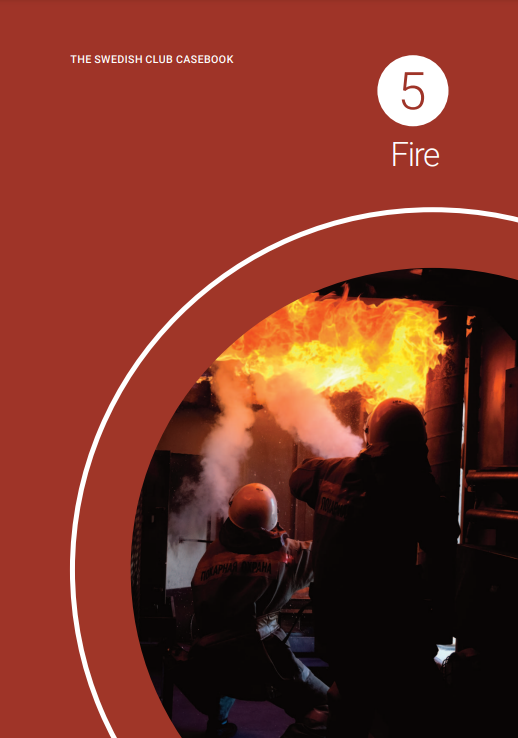
5. Fire
5. Fire
- 5.1 Misdeclared container caused a fire
- 5.2 Floodlights caused cargo fire on bulk carrier
- 5.3 Hot work caused container fire
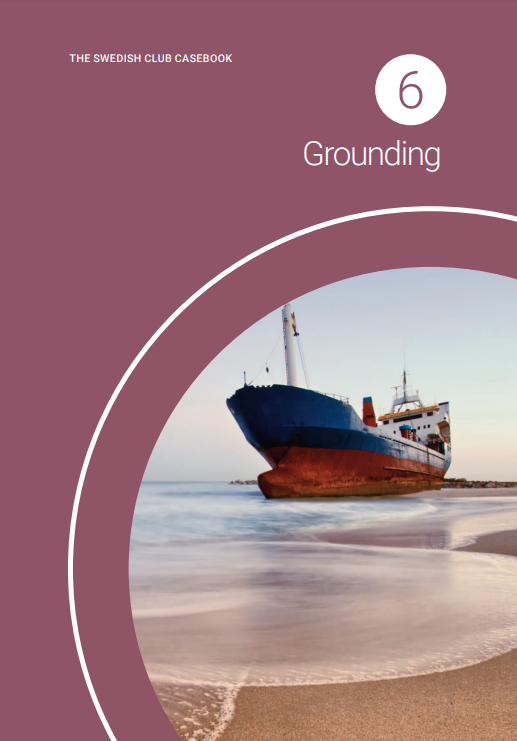
6. Grounding
6. Grounding
- 6.1 Grounding in unsurveyed waters
- 6.2 Grounding as channel buoys were in the wrong position
- 6.3 Grounding as the OOW missed waypoint
- 6.4 Grounding in heavy weather
- 6.5 Grounding at high speed
- 6.6 Grounding because of poor cooperation
7. Hatch covers
7. Hatch covers
- 7.1 Leaking cargo hatch covers caused cargo damage
- 7.2 Crack in the cargo hatch cover caused wet damage
8. Heavy weather
9. Injury
9. Injury
- 9.1 Fatal fall from ladder
- 9.2 Lost balance while washing down caused serious injury
- 9.3 Injury during mooring operation
- 9.4 Fatal fall
- 9.5 Rescue boat accident
- 9.6 Severely burned crew member died
10. Loss of anchor
10. Loss of anchor
- 10.1 Loss of anchor in heavy weather
- 10.2 At anchor during a typhoon resulting in a grounding and total loss
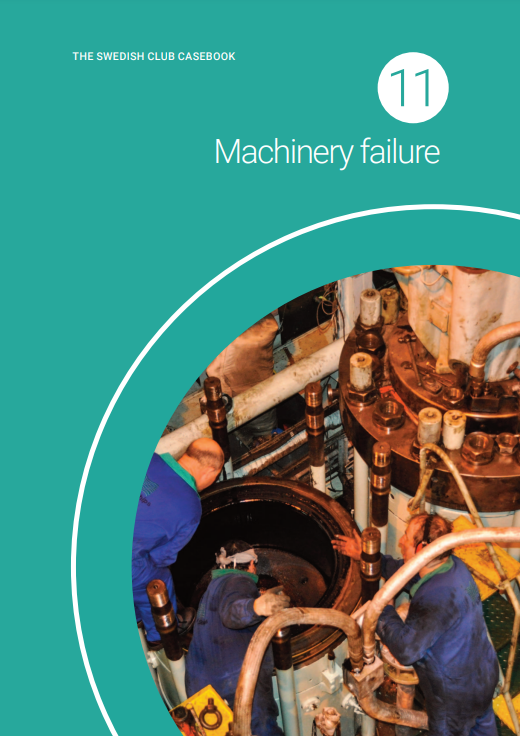
11. Machinery failure
11. Machinery failure
- 11.1 Machinery failure caused by contamination
- 11.2 Maintenance job lead to flooding of the engine room
- 11.3 Machinery failure of the CPP caused heavy contact with the lock gate
- 11.4 Routine job in the engine room caused grounding
- 11.5 CPP caused vessel to strike the quay and crane
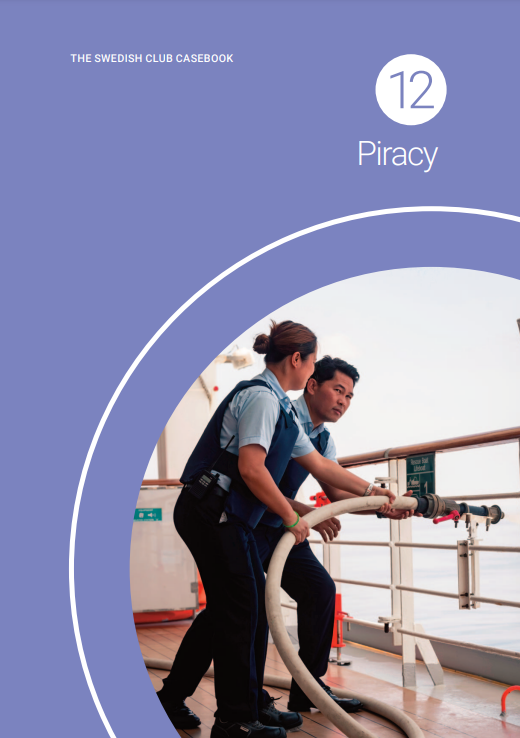
12. Piracy
12. Piracy
12.1 Piracy attack while waiting for berth
13. Pollution
13. Pollution
10.1 Corroded pipe caused oil spill